Hoi An White Rose Dumplings – The Delicate Specialty You Must Try
Among the many flavors waiting to be discovered in Hoi An, few are as recognizable as White Rose Dumplings. Known locally as Banh Bao, Banh Vac, these small steamed dumplings are famous for their delicate, translucent wrappers and beautiful flower-like appearance.
At first glance, they look almost too pretty to eat. The thin rice wrapper is carefully folded around a savory filling, creating a shape that resembles a blooming white rose. But the appeal goes beyond appearance. Each bite combines soft, slightly chewy dough with a fragrant filling and a light Vietnamese dipping sauce.
For anyone planning a food-focused trip to Central Vietnam, trying White Rose Dumplings in Hoi An is an easy way to connect with the town’s distinctive culinary heritage.
See more details >>> Hoi An Specialties: Culinary Journey Must-Try in Town
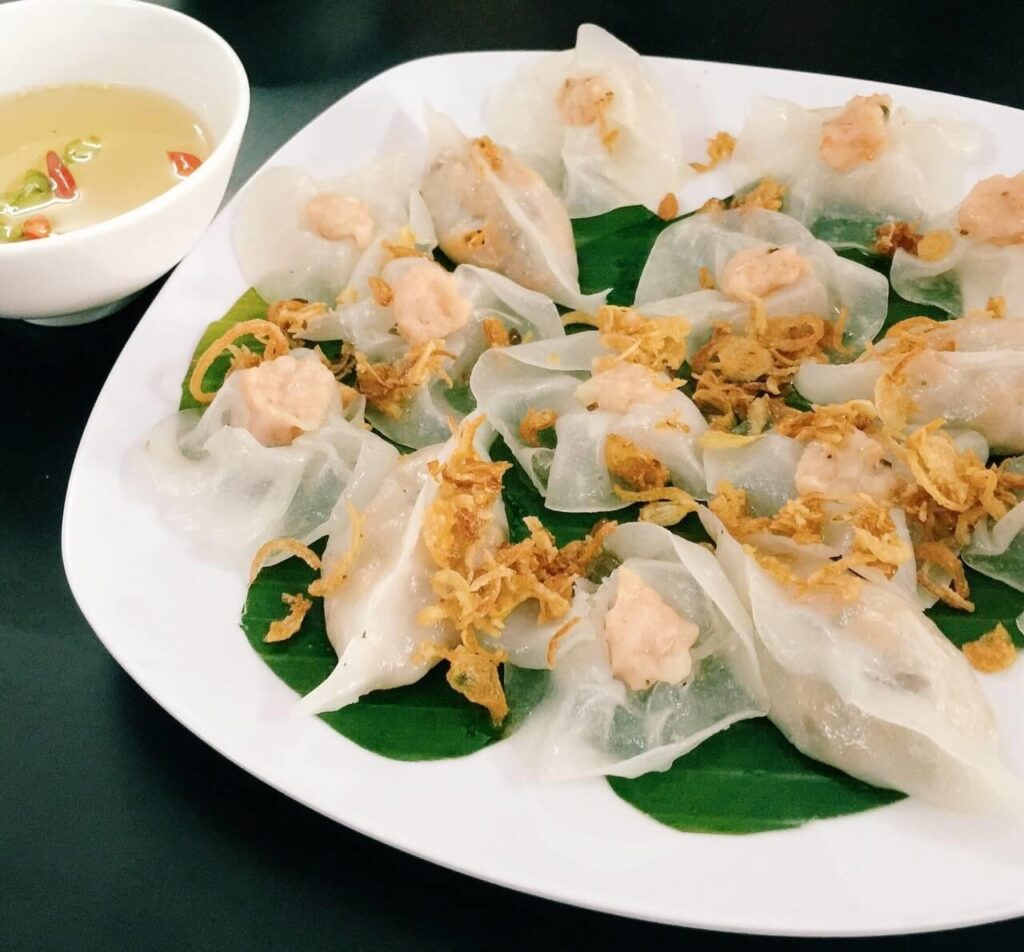
Hoi An White Rose Dumplings, one of the city’s most distinctive culinary specialties.
What Are Hoi An White Rose Dumplings?
Hoi An White Rose Dumplings are steamed rice dumplings made with thin wrappers and a savory filling, traditionally associated with shrimp and pork. Their unusual name comes from their appearance: once folded and arranged, the dumplings look like delicate white flowers.
The wrapper is intentionally thin and soft, allowing the filling to remain the star of the dish. Steaming gives the dumplings their tender texture while keeping the shape intact.
Unlike some Vietnamese dishes that rely on bold spices, White Rose Dumplings are relatively subtle. Their charm comes from the balance between the fragrant filling, soft rice wrapper and sweet-salty dipping sauce.
Why Are White Rose Dumplings So Famous in Hoi An?
Hoi An is known for dishes that cannot easily be separated from the city’s history and local food culture. White Rose Dumplings are one of them.
The dumplings have become closely associated with Hoi An’s culinary identity, attracting visitors who want to taste something that feels genuinely local rather than simply ordering a common Vietnamese dish found throughout the country.
Their elegant appearance also makes them especially memorable. A plate of neatly arranged white dumplings looks almost like a small bouquet, which is why they have become one of the most photographed foods in Hoi An.
The Flavor Behind the Beautiful Appearance
The magic of White Rose Dumplings lies in the contrast of textures and flavors.
- Rice wrapper: Thin, tender, and slightly chewy.
- Shrimp: Adds a gentle sweetness and seafood aroma.
- Pork: Brings richness and savory depth to the filling.
- Wood ear mushrooms: Add texture and an earthy note.
- Garlic and shallots: Give the filling additional fragrance.
- Dipping sauce: Adds sweet, salty, sour, and aromatic notes to each bite.
When served fresh from the steamer, the dumplings are soft and fragrant. Adding a little dipping sauce creates a more complex flavor without overwhelming the delicate filling.
How to Make Hoi An White Rose Dumplings at Home
Making these dumplings requires some patience, especially when shaping the wrappers. The ingredients themselves are relatively simple, but creating the characteristic flower shape takes practice.
Ingredients for the Dumpling Wrappers
- 2 cups rice flour
- 1 cup tapioca starch
- 1 1/4 cups boiling water
- 1/4 teaspoon salt
Ingredients for the Filling
- 1/2 pound ground pork
- 1/4 pound peeled and deveined shrimp
- 1/4 cup finely minced wood ear mushrooms
- 1 tablespoon minced shallots
- 1 teaspoon minced garlic
- 1/2 teaspoon white pepper
- 1/4 teaspoon salt
- 1 tablespoon soy sauce
- 1 tablespoon oyster sauce
- 1 tablespoon sesame oil
Ingredients for the Dipping Sauce
- 1/4 cup fish sauce
- 2 tablespoons lime juice
- 1 tablespoon sugar
- 1 tablespoon water
- 1 teaspoon minced garlic
- 1/2 teaspoon minced chili, optional
- 1/4 cup chopped cilantro
Step-by-Step White Rose Dumpling Recipe
Step 1: Prepare the Rice Dough
Begin by mixing the rice flour, tapioca starch, and salt in a large bowl. Slowly add the boiling water while stirring continuously.
Keep mixing until the ingredients come together into a smooth dough. Once it is cool enough to handle, knead gently until the texture becomes soft and workable.
Cover the dough with a damp cloth and allow it to rest for approximately 30 minutes.
Step 2: Shape the Wrappers
Divide the dough into small portions, roughly 3 centimeters across. Roll each portion into a ball and then flatten it into a very thin, round wrapper.
The wrapper should be thin enough to become translucent when steamed but strong enough to hold the filling without tearing.
Step 3: Prepare the Filling
Finely chop the shrimp and combine it with the ground pork, wood ear mushrooms, shallots, garlic, white pepper, salt, soy sauce, oyster sauce, and sesame oil.
Mix everything thoroughly so that the seasonings are distributed evenly throughout the filling.
Step 4: Fill and Shape the Dumplings
Place a small amount of filling in the center of each wrapper. Fold and pinch the wrapper around the filling, then carefully pleat the edges to create the flower-like shape.
This is probably the trickiest part for first-time cooks. Don’t worry if your first few dumplings look slightly different. Even experienced cooks need practice to make every piece look perfectly uniform.
Step 5: Steam Until Tender
Prepare a steamer and line the basket with parchment paper to prevent the dumplings from sticking.
Arrange the dumplings with enough space between them and steam for approximately 8–10 minutes, or until the wrappers are cooked and slightly translucent.
Step 6: Mix the Dipping Sauce
While the dumplings are steaming, combine fish sauce, lime juice, sugar, water, garlic, and chili in a small bowl. Stir until the sugar dissolves, then add chopped cilantro.
Taste and adjust the balance according to your preference. Vietnamese dipping sauces often combine several flavors rather than being strongly salty or sweet.
Step 7: Serve Fresh
Transfer the steamed dumplings to a serving plate and enjoy them while they are still warm. Add the dipping sauce just before eating.
The best part is seeing your homemade dumplings transform into something that resembles the famous Hoi An specialty you may have enjoyed in the Ancient Town.
Tips for Making Better White Rose Dumplings
Working with a rice-based dough can be slightly challenging at first. A few simple adjustments can make the process easier.
- If the dough feels too sticky: Add a small amount of rice flour or starch and knead gently.
- If the dough is too dry: Add a little warm water gradually rather than adding a large amount at once.
- Keep the dough covered: Rice dough can dry out quickly while you are shaping the dumplings.
- Do not overfill: Too much filling can make the wrapper difficult to seal.
- Steam immediately: Once assembled, steaming the dumplings while they are fresh helps maintain their texture.
- Practice the pleats: The flower shape takes a little time to master, so don’t expect perfection on your first attempt.
Can You Try White Rose Dumplings During a Hoi An Cooking Class?
Absolutely. A cooking class can be a much easier way to learn Vietnamese culinary techniques than trying to figure everything out alone in your kitchen.
If you enjoy learning about local food, consider joining a Hoi An cooking class. Depending on the menu, cooking experiences can introduce you to traditional ingredients, local recipes, and techniques that are difficult to understand from a recipe alone.
You can also explore a Cam Thanh cooking class for a countryside experience combining Vietnamese food with the coconut waterways and traditional village atmosphere.
For another countryside culinary adventure, a Tra Que cooking class introduces travelers to the fresh herbs and vegetables grown in one of Hoi An’s best-known farming villages.
Food lovers can even go beyond cooking and explore a Hoi An coffee class to discover another important part of Vietnamese food and drink culture.
Where to Try White Rose Dumplings in Hoi An
If you would rather taste the original dish than make it yourself, trying White Rose Dumplings in Hoi An is easy.
One well-known place associated with this specialty is located at:
White Rose Dumplings533 Hai Bà Trưng Street
Hoi An, Quang Nam, Vietnam
When ordering, look for dumplings that have thin, translucent wrappers and a fresh, fragrant filling. They are best enjoyed soon after preparation while the wrapper is still soft and delicate.
More Hoi An Specialties to Try
White Rose Dumplings are only the beginning of Hoi An’s food story. If you are planning a culinary adventure around the Ancient Town, add these local favorites to your list:
- Cao Lau Hoi An – chewy noodles served with pork, herbs and crispy toppings.
- Mì Quảng Hoi An – turmeric-tinted noodles accompanied by meat, seafood, herbs and crunchy peanuts.
- Bánh Mì Hoi An – a crisp Vietnamese baguette packed with savory fillings, herbs and pickles.
- Cơm Gà Hoi An – fragrant rice served with tender chicken and fresh herbs.
- Hoi An Seafood – fresh coastal specialties available around Cua Dai and An Bang Beach.
Why White Rose Dumplings Belong on Your Hoi An Food List
Food in Hoi An is not simply about filling your stomach. Many local dishes tell stories about the town, its ingredients, and generations of culinary traditions.
White Rose Dumplings are a perfect example. Their simple ingredients are transformed into something visually beautiful through careful preparation and traditional technique.
Whether you order a fresh plate at a local restaurant, watch skilled cooks shape the delicate dumplings, or attempt the recipe yourself, the experience gives you another reason to appreciate Hoi An’s food culture.
Final Thoughts: Taste the Culinary Heritage of Hoi An
A trip to Hoi An would not be complete without exploring its food, and Hoi An White Rose Dumplings deserve a place near the top of your must-try list.
Delicate, fragrant, and instantly recognizable, these flower-shaped dumplings capture the elegance of Hoi An cuisine in just a few bites. Pair them with Cao Lau, Mi Quang, Hoi An chicken rice, and Banh Mi, and you have the beginning of a delicious culinary journey through the Ancient Town.
If you want to explore even more local flavors, discover Hoi An tours and turn your food adventure into a deeper journey through the culture, villages, and traditions of Central Vietnam.
YOU MAY LIKE IT

Hoi An Specialties – 12 Must-Try Foods for an Unforgettable Culinary Journey
Hoi An is famous for its lantern-lit streets, old yellow houses and riverside charm, but there is another reason travelers fall in love with this UNESCO World Heritage destination: the food. Hoi...