Tra Que Vegetable Village Hoi An – A Complete Guide to Farming, Cycling & Cooking Experiences
Just beyond the colorful streets of Hoi An Ancient Town, the landscape quickly changes. Historic yellow houses give way to rice fields, quiet lanes, waterways, and rows of fragrant herbs. This peaceful corner of Central Vietnam is home to Tra Que Vegetable Village, one of the most rewarding places to visit if you want to experience the rural side of Hoi An.
Click to book Tra Que Cooking Class tour via WhatsApp ›
Rather than simply sightseeing, a visit here invites you to become part of local life. You can walk through vegetable gardens with a farmer, try traditional agricultural techniques, cycle through the countryside, join a Tra Que cooking class, and finish the experience with a relaxing herbal foot bath.
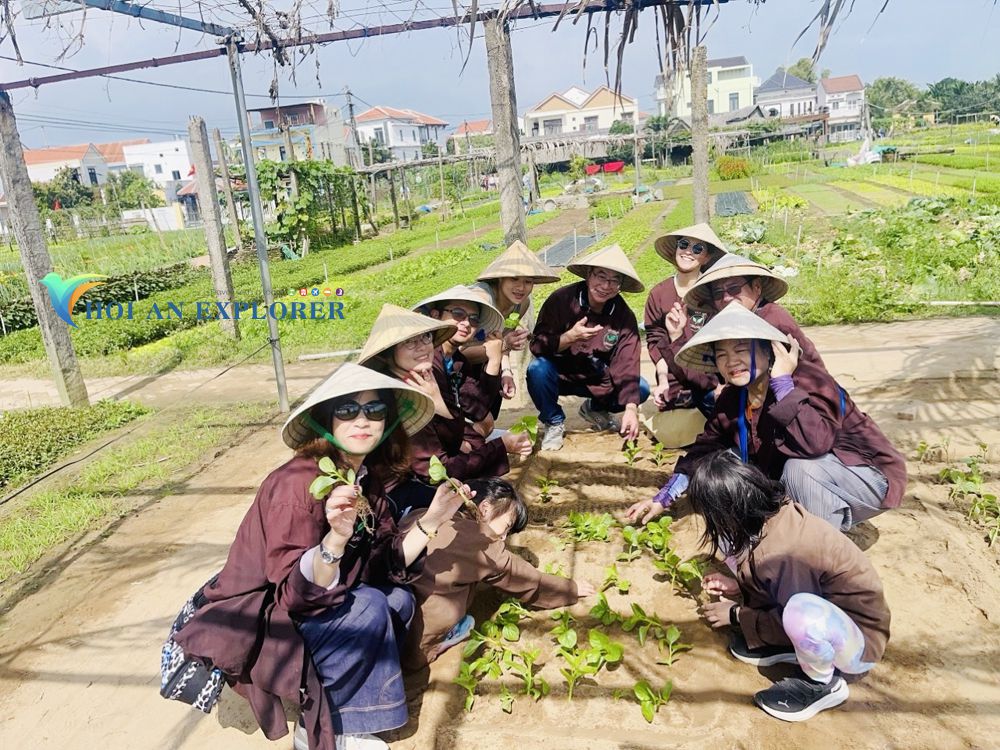
Tra Que Vegetable Village
See more details >>> Tra Que herb village 1 day – Experience being a real farmer and learn to cooking class
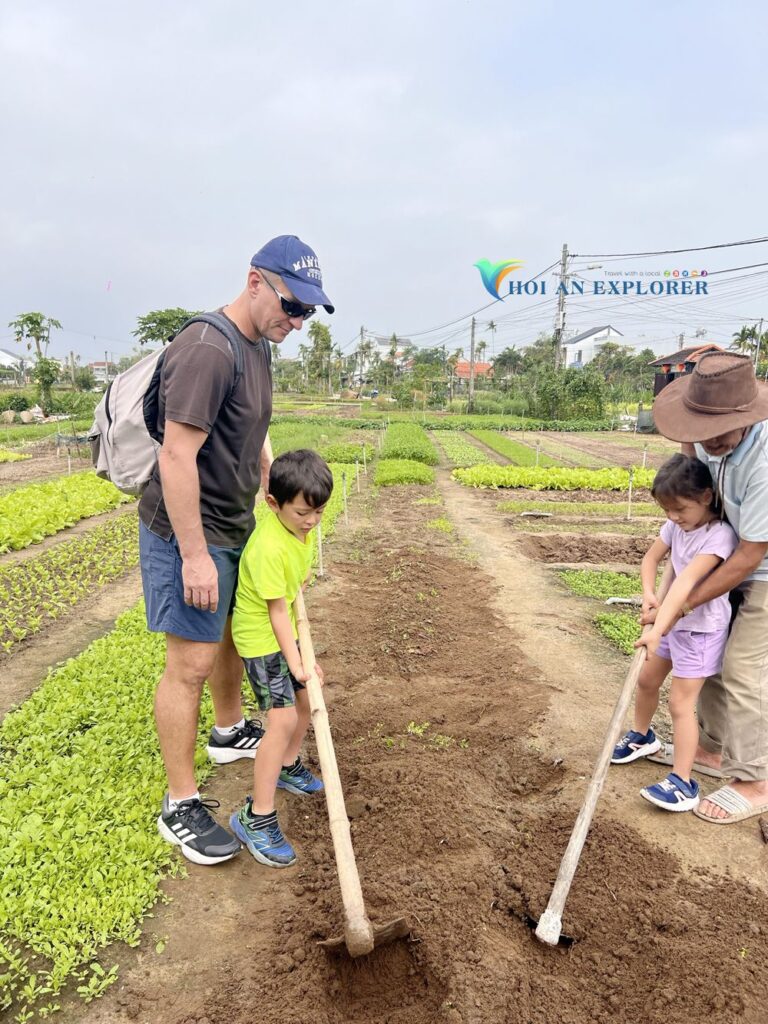
Tra Que Vegetable Village Hoi An, Vietnam
What Makes Tra Que Vegetable Village Special?
Tra Que is more than a collection of vegetable gardens. It is a living farming community where generations of local families have maintained traditional agricultural practices while supplying fresh produce to Hoi An.
The village covers more than 40 hectares of cultivated land, creating a wonderfully green landscape of vegetable plots, herbs, small waterways, and countryside paths. The atmosphere is completely different from the busy center of Hoi An.
Early in the morning, farmers are already working in the fields. Some prepare the soil, others water crops or harvest vegetables for the day’s markets. Visiting at this time gives travelers an authentic glimpse into everyday life in rural Quang Nam.
Traditional and Sustainable Farming in Tra Que
One of the most interesting things about Tra Que is the community’s traditional approach to agriculture.
Local farmers have long used naturally available resources to enrich their fields. Nutrient-rich algae collected from nearby waterways and lagoons is traditionally used to improve the soil. This practice reduces dependence on synthetic fertilizers while supporting the cultivation of fresh herbs and vegetables.
The combination of fertile soil, careful cultivation, natural nutrients, and generations of farming knowledge has helped Tra Que develop a reputation for high-quality produce.
Become a Farmer for the Day
One of the best ways to understand Tra Que is to put on a traditional farming hat and get involved.
During a guided farming experience, visitors can try several simple activities alongside local farmers. Depending on the season, these may include preparing the soil, raking planting beds, sowing seeds, watering vegetables, removing weeds, and harvesting crops.
You do not need to be an experienced gardener. The farmers are happy to demonstrate each technique and explain why different methods are used.
What You Can Learn
- How vegetable beds are prepared for planting.
- Traditional watering techniques.
- How local herbs and vegetables are cultivated.
- How natural materials are used to enrich the soil.
- Seasonal harvesting practices.
- The role of farming in the local Hoi An community.
It may involve a little mud and hard work, but that is part of the fun. For many visitors, getting their hands dirty becomes one of the most memorable moments of their Hoi An trip.
Explore the Green Agricultural Landscape
Walking through Tra Que reveals a side of Vietnam that is easy to miss when following a conventional sightseeing itinerary.
Rows of herbs and vegetables stretch across the fields, while narrow waterways and quiet paths divide the growing areas. The landscape changes with the seasons, so returning at different times of the year can offer a completely different view.
A local guide can also explain the differences between various crops and show you how the vegetables eventually reach restaurants and markets in Hoi An.
Explore Tra Que by Bicycle
For travelers who enjoy slow travel, cycling is one of the nicest ways to discover Tra Que.
The route from Hoi An takes you away from the busy streets and into a quieter countryside of rice paddies, vegetable gardens, coconut trees, canals, and small local roads. The relatively flat terrain makes the ride accessible to most visitors.
A bicycle also gives you the freedom to stop whenever you see something interesting. You might pause beside a rice field, photograph farmers working in the gardens, or simply enjoy the peaceful sounds of rural Vietnam.
If you want to combine cycling with local culture and food, a Tra Que biking and cooking experience is an excellent option.
Join a Tra Que Cooking Class
After exploring the gardens, it makes perfect sense to discover what happens to the vegetables once they reach the kitchen.
A Tra Que cooking class connects farming with one of Hoi An’s greatest attractions: Vietnamese food. Under the guidance of a local chef, you can learn how fresh herbs and vegetables are prepared and combined with traditional ingredients.
Rather than watching a chef do everything, most hands-on classes allow guests to participate in preparing their own dishes.
From Vegetable Garden to Dining Table
The experience is particularly enjoyable because you have already seen the ingredients growing in the fields. Fresh herbs are no longer simply something placed beside your meal; you understand where they come from and the work required to cultivate them.
Depending on the program, you may learn to prepare traditional Vietnamese dishes such as fresh spring rolls, Vietnamese pancakes, noodle dishes, or local salads.
After cooking, sit down and enjoy the meal you have prepared. It is a delicious way to finish a morning of farming and cultural discovery.
Relax with a Traditional Herbal Foot Bath
After several hours of walking, cycling, farming, and cooking, your feet may appreciate a little attention.
Some Tra Que experiences include a traditional Vietnamese herbal foot bath using aromatic local plants. Soaking your feet in warm herbal water provides a peaceful break after outdoor activities and adds another element of traditional Vietnamese wellness to the day.
It is the kind of simple experience that encourages you to slow down and enjoy the moment rather than rushing from one attraction to another.
Enjoy the Peaceful Countryside at Sunset
Tra Que is beautiful throughout the day, but the countryside becomes especially atmospheric toward sunset.
As the afternoon light softens, the vegetable fields take on warm golden tones. The quiet roads, distant silhouettes of farmers, and surrounding rice fields create an ideal setting for photographs and a peaceful end to the day.
If your itinerary allows, stay a little longer rather than immediately returning to the Ancient Town. Watching the countryside gradually become quieter can be one of the most relaxing moments of your Hoi An holiday.
How to Get to Tra Que Vegetable Village from Hoi An
Tra Que is conveniently located only a few kilometers from central Hoi An, so reaching the village is straightforward.
By Bicycle
Cycling is the most atmospheric option. Many hotels and homestays in Hoi An provide bicycles or can arrange bicycle rentals for guests.
The journey is relatively easy because the countryside around Hoi An is mostly flat. Leave in the morning when temperatures are cooler, especially during the warmer months.
By Motorbike
A motorbike provides more flexibility if you want to combine Tra Que with An Bang Beach, Cam Thanh Coconut Village, Thanh Ha Pottery Village, or other attractions around Hoi An.
Always wear a helmet, carry the required documents, and check local regulations before renting or riding a motorbike in Vietnam.
By Private Car or Taxi
A private car is convenient for families, older travelers, and groups. It is also a comfortable option if you plan to visit several attractions in one day.
For visitors who prefer not to arrange individual transportation, joining a guided Tra Que farming and cooking tour can make the day much easier.
Best Time to Visit Tra Que Vegetable Village
Tra Que can be visited throughout the year, but early morning is generally the most comfortable period for farming and cycling activities.
The temperature is cooler, the sunlight is softer, and farmers are already busy with their daily routines. This also makes the morning particularly good for photography.
If you are planning outdoor activities, check the weather forecast before leaving. Central Vietnam can experience periods of heavy rain, particularly during the wetter months.
Where to Stay Near Tra Que Vegetable Village
Tra Que itself is primarily a farming community rather than a major accommodation district, but finding somewhere to stay nearby is easy.
Hoi An offers everything from boutique hotels and traditional homestays to riverside properties, eco-friendly accommodations, and beachfront resorts. Staying in or around Hoi An Ancient Town gives you convenient access to Tra Que while keeping you close to restaurants, markets, historic attractions, and evening activities.
Travel Tips for Your Tra Que Experience
- Wear comfortable clothes: Farming activities can involve soil and water, so choose practical clothing.
- Choose suitable shoes: Closed-toe footwear with good grip is helpful when walking through the gardens.
- Bring sun protection: A hat, sunscreen, sunglasses, and drinking water are useful, particularly on sunny days.
- Carry small cash: Small notes can be useful for drinks, snacks, souvenirs, or local purchases.
- Respect local life: Ask permission before entering private growing areas or photographing people closely.
- Start early: Morning is cooler and offers a more active view of village life.
- Combine attractions: Tra Que can be paired with Hoi An Ancient Town, An Bang Beach, Cam Thanh Coconut Village, or a local cooking experience.
Combine Tra Que with Other Hoi An Experiences
Tra Que is an excellent starting point for discovering other authentic experiences around Hoi An.
Food lovers can continue their culinary adventure with a Hoi An cooking class, while coffee enthusiasts can explore the city’s café culture through a Hoi An coffee class.
For plant-based travelers, a Hoi An Vegetarian Cooking Class offers another way to explore the region’s fresh produce and traditional flavors.
Those interested in rural life can also join a Hoi An farming tour, while adventurous families may enjoy the Hoi An Buffalo Riding – Wet Rice Tour and Cooking Class.
If you are celebrating a special occasion, a Hoi An wooden boat party tour offers a completely different way to experience the Thu Bon River after your countryside adventure.
Why Tra Que Should Be on Your Hoi An Itinerary
Hoi An Ancient Town may be the destination’s best-known attraction, but the countryside surrounding it tells another equally fascinating story.
Tra Que Vegetable Village gives travelers an opportunity to step away from the crowds and discover the agricultural traditions that have supported local communities for generations. You can meet farmers, work in the gardens, cycle through rice fields, learn traditional cooking techniques, enjoy fresh ingredients, and relax in a peaceful rural setting.
For travelers searching for an authentic experience rather than another quick sightseeing stop, Tra Que is an easy choice. It brings together Vietnamese farming, Hoi An cuisine, countryside cycling, local culture, and sustainable living in one memorable experience.
Whether you visit for a few hours or make it part of a full-day itinerary, leave some time to slow down, talk with local people, and appreciate the simple beauty of rural Hoi An. That is where the real charm of Tra Que begins.
YOU MAY LIKE IT
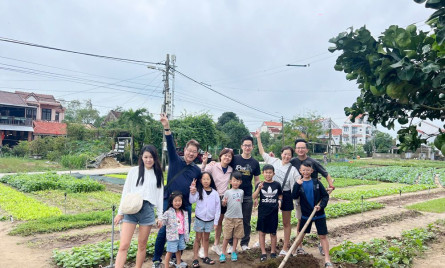
Exploring the Aromatic Herbs of Tra Que Vegetable Village in Hoi An
Just a short journey from Hoi An Ancient Town, Tra Que Vegetable Village is a peaceful green corner of Central Vietnam where farming traditions and Vietnamese cuisine come together. Walk...