Best Hoi An Food Tour – Must-Try Local Dishes and Culinary Experiences in Vietnam
Hoi An is the kind of destination where exploring the food scene becomes part of the journey. Wander through the lantern-lit streets of the Ancient Town, stop at a small family-run eatery, or follow the aroma of grilled meat and freshly made pancakes through a local market. Every corner seems to offer another taste of Central Vietnam.
What makes Hoi An food especially memorable is its connection to local ingredients, traditional recipes, and generations of culinary knowledge. Many dishes are prepared fresh each day, using vegetables, herbs, rice, noodles, seafood, and meat sourced from nearby communities.
For any further information about Hoi An Explorer, please contact the hotline 0916.52.8884 (Ms Tina)
If you want more than simply eating your way around the Old Town, a Hoi An cooking class is a wonderful way to discover how these famous dishes are made. You can visit a local market, learn about Vietnamese herbs and spices, and then prepare traditional dishes with a local chef.
Here are some of the Hoi An specialties and culinary experiences worth adding to your Vietnam itinerary.
Banh Xeo and Grilled Pork at Ba Le Well
Banh Xeo is one of the first dishes many visitors associate with Hoi An. This crispy Vietnamese savory pancake is traditionally made with rice flour, turmeric, shrimp, pork, and bean sprouts. It is usually wrapped with fresh herbs and lettuce before being dipped into a flavorful Vietnamese sauce.
A popular way to enjoy this specialty is alongside grilled pork, fresh vegetables, herbs, and other local snacks. The combination of crunchy pancake, smoky meat, fragrant herbs, and dipping sauce creates a delicious contrast of textures.
Ba Le Well is well known among travelers looking for a casual introduction to local Hoi An food. The dining style is also part of the experience: rather than ordering a complicated menu, guests can enjoy a selection of popular local dishes served together.
If you become curious about making Banh Xeo yourself, joining a Cam Thanh cooking class is an excellent option. Many classes combine market visits, countryside sightseeing, and hands-on cooking.

Banh Xèo_ Best Local Food Hoi An, Vietnam
Hoi An Chicken Rice (Com Ga Hoi An)
Com Ga Hoi An, or Hoi An chicken rice, is another signature dish that should be on every food lover’s list. Although chicken rice can be found in many parts of Vietnam, the Hoi An version has its own character.
The rice is commonly cooked with chicken stock and seasoned with ingredients such as turmeric, creating its familiar golden color. Tender shredded chicken is served over the rice with Vietnamese herbs, onion, papaya, carrots, chili, and a savory sauce.
How Hoi An Chicken Rice Is Traditionally Prepared
The cooking process starts with fragrant rice cooked in chicken broth. Aromatics such as ginger and garlic help build the flavor, while a little turmeric gives the rice its beautiful golden appearance.
The cooked chicken is then shredded and mixed with herbs, onion, vegetables, seasoning, and a tangy dressing. Everything is arranged over the rice before being served with chili sauce and fresh herbs.
There is also a fried version of Hoi An chicken rice. Instead of serving the rice directly after cooking, the rice is stir-fried with seasonings before being paired with fried chicken and pickled vegetables.
Where to Try Hoi An Chicken Rice
Travelers will find chicken rice restaurants throughout and around Hoi An Ancient Town. Well-known local names include Ba Buoi and Ba Nga, while smaller family eateries can also offer a very authentic experience.
For visitors who want to understand the preparation rather than simply taste the final dish, a local cooking experience is worth considering. Learning how Vietnamese cooks balance herbs, seasoning, rice, and meat gives the meal a completely different meaning.
Cao Lau – Hoi An’s Iconic Noodle Specialty
If there is one noodle dish you should not miss in Hoi An, it is Cao Lau.
This distinctive noodle dish is strongly associated with Hoi An and has developed through the town’s long history as a trading port. Its flavor reflects the cultural influences that passed through the city while remaining unmistakably Vietnamese.
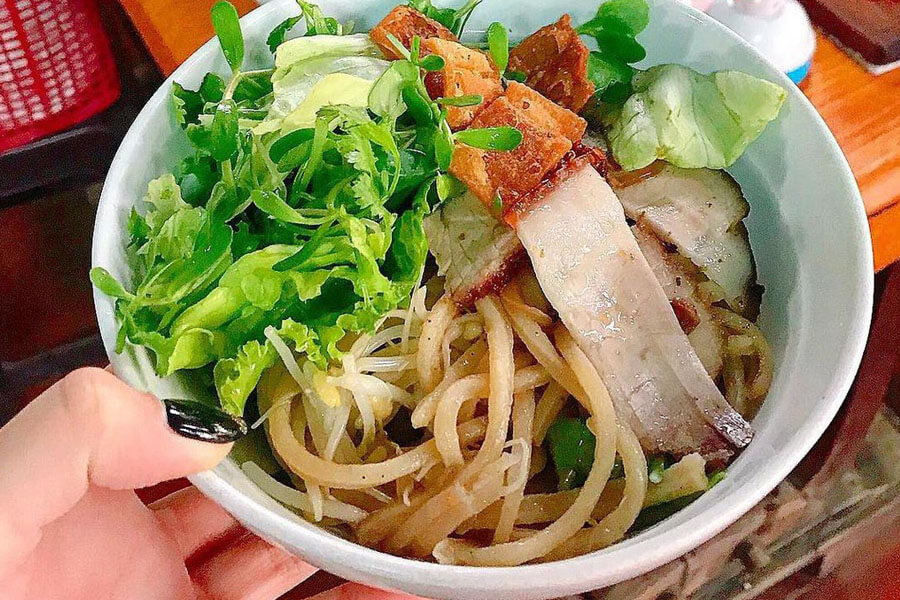
Cao Lau combines thick, chewy noodles with slices of seasoned pork, fresh herbs, bean sprouts, savory sauce, and crispy pieces of fried noodles or rice crackers. The contrasting textures are one of the reasons this simple-looking bowl is so satisfying.
How Cao Lau Comes Together
The pork is first marinated with a mixture of soy sauce, sugar, pepper, seasoning, and aromatic ingredients. It is then seared before being slowly cooked with broth and the marinade until tender and flavorful.
The noodles are briefly softened in hot water and drained before serving. Fresh vegetables and bean sprouts are placed into a bowl, followed by the noodles and sliced pork. A small amount of sauce is added, then the dish is finished with crispy toppings, herbs, chili, and sometimes a squeeze of lime.
Where to Eat Cao Lau in Hoi An
Some local eateries travelers often seek out include:
- Cao Lau Lien on Thai Phien Street
- Cao Lau Thanh on Phan Chau Trinh Street
- Cao Lau Ba Be at Hoi An Market
- Local Cao Lau restaurants around Tran Phu Street
Rather than searching only for the most famous restaurant, consider trying Cao Lau at a small local eatery during your walk around the Old Town. The atmosphere is often just as memorable as the bowl itself.
Fresh Seafood on Cham Islands
For travelers who love seafood, a trip to Cham Islands adds another delicious chapter to a Hoi An food itinerary. The island communities have a strong fishing tradition, so seafood is naturally an important part of local dining.
Depending on the season and daily catch, visitors may find lobster, crab, squid, shellfish, sea snails, sea urchin, abalone, and other locally sourced seafood.
One specialty often mentioned by locals is stone crab. Its meat is naturally sweet and firm, making it enjoyable simply steamed or prepared with light seasoning. Fresh seafood does not always need complicated recipes—the quality of the ingredients often does most of the work.
A Cham Islands day trip can therefore be more than a beach escape. After exploring the islands, snorkeling, or swimming in the clear water, sitting down to a seafood lunch is a rewarding way to experience the local lifestyle.
Fresh Herbs and Vegetables from Tra Que Vegetable Village
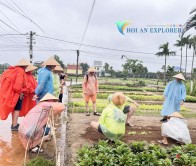
Hoi An’s culinary identity is closely connected to the countryside surrounding the city. One of the best places to see this relationship is Tra Que Vegetable Village, a peaceful farming area known for its fragrant herbs and fresh vegetables.
Walk through the gardens, and you will see local farmers caring for crops that later appear on restaurant tables throughout Hoi An. Mint, basil, Vietnamese coriander, lettuce, and other aromatic greens are essential ingredients in many Central Vietnamese dishes.
For a more hands-on experience, consider joining a Tra Que cooking class. These experiences often combine countryside exploration with traditional cooking, allowing visitors to understand where some of their food actually comes from.
Learn Vietnamese Cuisine in a Hoi An Cooking Class
Eating local dishes is enjoyable, but learning how to prepare them can make your Hoi An trip even more memorable.
A Hoi An cooking class typically allows travelers to work with local ingredients and discover traditional Vietnamese cooking techniques. Depending on the program, you may visit a market, explore a vegetable garden, prepare herbs, and cook several dishes under the guidance of a local chef.
Popular dishes taught during Vietnamese cooking experiences can include Banh Xeo, fresh spring rolls, noodle dishes, grilled meat, salads, and traditional dipping sauces.
The best part is that you can take the recipes home with you. After returning from Vietnam, you can recreate a little taste of Hoi An in your own kitchen.
Try a Hoi An Vegetarian Cooking Class
Hoi An is also a welcoming destination for travelers who prefer plant-based food.
A Hoi An Vegetarian Cooking Class introduces visitors to Vietnamese dishes built around fresh vegetables, herbs, mushrooms, tofu, rice, noodles, and plant-based sauces.
Vietnamese vegetarian cuisine can be surprisingly varied. Instead of simply removing meat from a traditional dish, local cooks use different combinations of herbs, seasonings, mushrooms, tofu, and vegetables to create layers of flavor.
For vegetarian and vegan travelers, this can be one of the most enjoyable ways to explore the food culture of Hoi An while learning practical recipes at the same time.
Explore Hoi An’s Countryside on a Farming Tour
Food tastes different when you understand the work behind it. A Hoi An farming tour offers travelers the chance to step away from the busy Old Town and discover the agricultural side of local life.
Depending on the experience, you may cycle through rural lanes, meet local farmers, learn about traditional crops, work in vegetable gardens, or discover how food is grown using traditional methods.
This type of experience is particularly enjoyable for families and travelers who want something more interactive than sightseeing. It also helps connect Hoi An’s famous cuisine with the villages and farms that supply many of its ingredients.
Ride a Buffalo and Discover Traditional Rice Farming
Rice is at the heart of Vietnamese cuisine, and Hoi An’s countryside provides a fascinating opportunity to see how it is grown.
The Hoi An Buffalo Riding – Wet Rice Tour and Cooking Class combines rural sightseeing with traditional farming activities and Vietnamese cooking.
Visitors can learn about wet-rice cultivation, observe local farming techniques, and experience the countryside at a much slower pace. Depending on the tour program, the experience may also include buffalo riding and a cooking session.
It is a wonderful choice for travelers who want to see a side of Hoi An that is far removed from the lantern streets and souvenir shops.
Enjoy Vietnamese Coffee and Learn How It Is Made
Vietnam is famous for its strong coffee culture, and Hoi An offers plenty of opportunities to experience it.
Instead of simply ordering a cup of coffee at a café, why not learn about the brewing process yourself? A Hoi An coffee class can introduce travelers to Vietnamese coffee traditions while offering a more personal cultural experience.
Vietnamese coffee is commonly brewed slowly using a small metal filter called a phin. Depending on the style, it can be enjoyed black, with condensed milk, over ice, or incorporated into creative local coffee drinks.
For coffee lovers, learning to make Vietnamese coffee properly is an easy souvenir to take home—no suitcase space required.
Turn Dinner into a Hoi An Wooden Boat Party
Food in Hoi An does not always have to happen at a restaurant. For a memorable evening, consider enjoying the city’s riverside atmosphere from the water.
A Hoi An wooden boat party tour offers a different way to experience the town after sunset. Cruising along the river while the lanterns of Hoi An glow around you creates a relaxed atmosphere for a special celebration, birthday, family gathering, or romantic evening.
The combination of local scenery, riverside lights, food, and a traditional-style boat ride can turn an ordinary evening into one of the highlights of your trip.
How to Make the Most of a Hoi An Food Tour
Hoi An has so many specialties that trying everything in one day is nearly impossible. Instead, plan your culinary exploration around different parts of the destination.
- Morning: Start with Vietnamese coffee and a light local breakfast.
- Late morning: Explore Hoi An Ancient Town and visit a traditional market.
- Lunch: Try Cao Lau, Com Ga, or another Hoi An specialty.
- Afternoon: Visit Tra Que Vegetable Village or join a cooking class.
- Late afternoon: Explore the countryside on a farming or cycling experience.
- Evening: Enjoy local street food, seafood, or a riverside dining experience.
Why Hoi An Food Is Worth Exploring
The best thing about eating in Hoi An is that the experience goes beyond the food itself. A bowl of Cao Lau tells part of the city’s history. A plate of herbs connects you to Tra Que’s farming community. Fresh seafood introduces you to the fishing traditions of the Cham Islands, while a cooking class gives you a chance to meet local people and understand their daily culinary traditions.
Whether you are a first-time visitor or returning to Hoi An for another holiday, leave some room in your itinerary for food. Try the famous specialties, but also be curious about the small restaurants, markets, countryside farms, and family kitchens where local flavors come to life.
From Hoi An cooking classes and Tra Que cooking experiences to Hoi An farming tours, Vietnamese coffee workshops, countryside adventures, and seafood on the Cham Islands, there are countless ways to discover the culinary soul of Central Vietnam.
So when you visit Hoi An, don’t just photograph the lanterns—taste the city, learn its recipes, meet its farmers, and let its local food become part of your travel story.
YOU MAY LIKE IT

Cham Island Tour from Hoi An | Snorkeling & Seafood Lunch Experience
Cham Island Tour: Discover the Jewel of the East Sea, speedboat, wooden Boat Lunch Tour | Exploring Hoai River | Hoi An – Da Nang Located approximately 15km East of Cua Dai Port (Hoi...